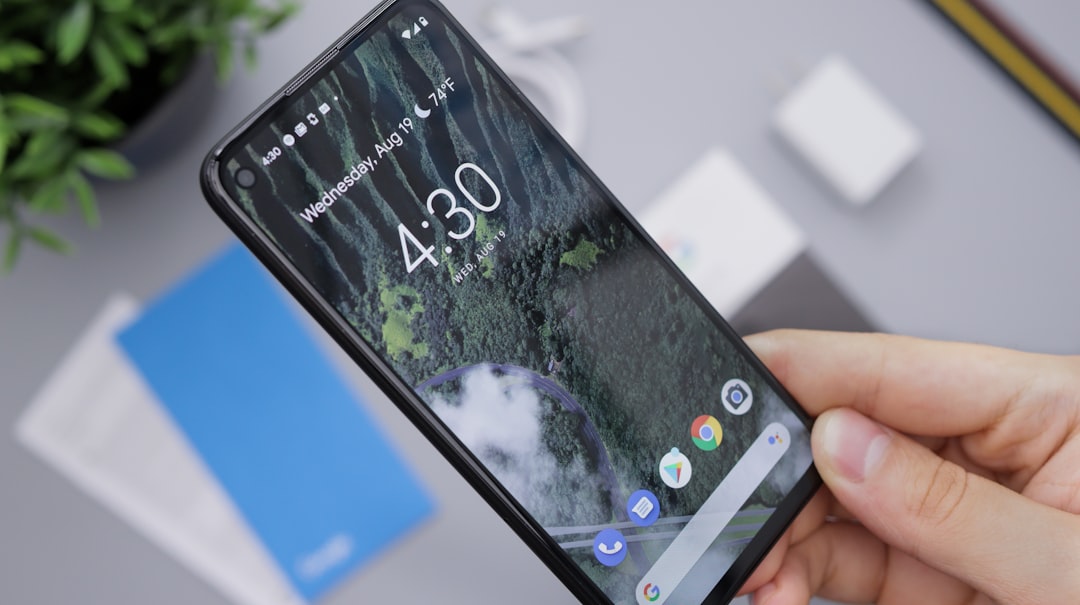
Florida's anti-spam laws protect consumers from unsolicited commercial text messages (spam texts) through the Telephone Consumer Protection Act (TCPA) and related legislation like TCFAPA and FDUTPA. Businesses face penalties up to $500/violation for sending spam texts without explicit consent. To comply, implement robust opt-in processes, conduct regular marketing audits, and consult a spam texts Attorney Florida for tailored guidance. Reporting spam texts is encouraged, with potential penalties up to $15,000 per violation or jail time for repeated offenders.
In today's digital landscape, Florida residents face a growing concern with the proliferation of spam texts, posing significant legal implications. As technology advances, so do tactics employed by unscrupulous senders, making it imperative to understand the consequences. Spam texts not only disrupt daily life but also carry severe penalties, especially when sent without consent or in violation of consumer protection laws. This article delves into the intricate world of Florida spam text legal penalties and fines, offering insights for residents to protect themselves and guiding them on the do's and don'ts, with a focus on navigating these complexities alongside a qualified spam texts Attorney Florida.
Understanding Florida's Anti-Spam Laws

Florida has strict anti-spam laws designed to protect consumers from unwanted and fraudulent text messages. These laws are enforced by the Florida Attorney General's Office, which has the authority to investigate and penalize violators. The primary piece of legislation governing spam texts is the Telephone Consumer Protection Act (TCPA), a federal law that has been adopted and expanded upon by state laws like Florida's.
Under Florida law, a "spam text" is defined as an unsolicited text message sent for commercial purposes to a consumer who has not provided express consent. Businesses found guilty of sending spam texts can face significant penalties, including fines of up to $500 per violation. These fines can quickly escalate for repeated or willful violations, with potential penalties reaching thousands of dollars. A notable example is when a Florida court recently imposed a $40 million judgment against a company that sent millions of unauthorized text messages promoting weight-loss products.
To avoid these legal pitfalls, businesses should prioritize obtaining explicit consent from recipients before sending any marketing text messages. This involves clear and concise opt-in language in contracts or during sign-up processes, ensuring consumers understand they are agreeing to receive communications. Regular audits of marketing campaigns can also help identify potential issues, and consulting with a spam texts Attorney Florida can provide valuable guidance tailored to your business's needs, helping you navigate the complex landscape of consumer protection laws effectively.
What Constitutes Spam Texts in Florida

In Florida, the definition of spam texts is regulated by state laws and industry standards, primarily targeting unsolicited or junk text messages. According to these regulations, a spam text is generally characterized as any text message sent without prior explicit consent from the recipient. This includes messages promoting products or services, offering discounts, or soliciting business, among other forms of commercial communication. For instance, receiving unsolicited alerts about low-interest loans or messages inviting you to participate in online surveys can be considered spam texts under Florida law.
Key elements that contribute to a text message being classified as spam include the lack of an opt-out mechanism and sending practices that violate consumer privacy. If a business or individual sends bulk text messages without providing a clear way for recipients to stop receiving them, it increases the likelihood of those messages being deemed spam. Florida's laws are designed to protect consumers from intrusive and unwanted communication, empowering them to take control of their messaging experiences.
Spam texts Attorney Florida advise that businesses should implement robust opt-in processes, obtaining explicit consent from recipients before sending promotional or advertising text messages. This not only helps in avoiding legal penalties but also fosters trust with customers by adhering to strict privacy standards. Data from industry reports suggest that compliance with anti-spam laws can significantly reduce consumer complaints and improve overall business reputation. Therefore, it's crucial for businesses operating in Florida to educate themselves on these regulations to ensure their text message marketing strategies are effective yet compliant.
Legal Penalties for Spam Texting in FL

In Florida, spam texting, or unsolicited bulk texts sent for commercial purposes, is subject to strict legal penalties as it infringes upon consumer privacy and causes nuisance. The Telephone Consumer Protection Act (TCPA) provides robust protections for individuals against such practices. A spam text Attorney Florida can guide you through these regulations, ensuring compliance and mitigating potential risks. Violations can result in substantial fines; the Federal Communications Commission (FCC) has imposed penalties reaching millions of dollars for egregious offenses.
For businesses engaging in spam texting, the consequences are severe. These include monetary fines, class-action lawsuits, and damage to reputation. The FCC actively enforces TCPA regulations, and its guidelines are clear regarding what constitutes consent and acceptable practices. A single violation can lead to legal action, making it crucial for companies to understand and adhere to these rules. For instance, a 2021 case saw a company fined $5.2 million for sending marketing texts without proper consent.
To avoid legal penalties, businesses should implement strict opt-in protocols and maintain detailed records of customer consent. A spam text Attorney Florida can assist in crafting policies that protect against unintended or unauthorized text campaigns. They can also provide strategies to respond to consumer complaints and help navigate the complex landscape of TCPA compliance, ensuring your business operates within legal boundaries while avoiding costly mistakes.
Your Rights & How to Report Spam Texts Attorney Florida

In Florida, your rights against spam texts are protected by state and federal laws. As a consumer, you have the legal authority to take action against unwanted text messages, especially if they are promotional or fraudulent in nature. According to the Telemarketing and Consumer Fraud and Abuse Prevention Act (TCFAPA), businesses are prohibited from sending unsolicited text messages for marketing purposes without prior express consent from the recipient. Additionally, Florida's Deceptive and Unfair Trade Practices Act (FDUTPA) further reinforces these protections, allowing individuals to seek legal recourse against companies engaging in spamming activities.
If you've received spam texts in Florida, knowing how to report them is crucial. A spam text Attorney Florida can guide you through this process, ensuring your complaint is properly documented and forwarded to the relevant authorities. The Federal Trade Commission (FTC) and local law enforcement agencies are responsible for investigating complaints related to spam texts. When reporting, provide detailed information such as the sender's phone number, date and time of receipt, content of the message, and any attempts to opt out or block future messages. This data is invaluable in building a case against persistent spammers.
Beyond reporting, consulting with a spam text Attorney Florida can offer several practical advantages. Legal experts in this field can educate you on your rights and options, helping you understand the potential penalties imposed on violators. Fines for spamming activities can range from $500 to $15,000 per violation, depending on the severity of the offense. In some cases, individuals or businesses found guilty of repeated violations may face even stiffer penalties, including jail time. An attorney can advise you on whether to pursue legal action against the spammer, file a class-action lawsuit, or seek compensation for any financial losses incurred due to their actions.
Related Resources
Here are 7 authoritative resources for an article about Florida spam text legal penalties and fines:
- Florida Department of Law Enforcement (Government Portal): [Offers official information on telecommunications fraud, including spam text laws.] - https://www.fdle.state.fl.us/
- Federal Trade Commission (FTC) (Government Agency): [Provides federal guidelines and penalties for telemarketing and spam violations.] - https://www.ftc.gov/
- National Do Not Call Registry (Community Resource): [Maintained by the FTC, this resource explains how to register and the legal protections it offers against unwanted texts.] - https://donotcall.gov/
- University of Florida Law Review (Academic Study): [Publishes articles on consumer protection laws, including those related to spam text messages in Florida.] - http://www.law.ufl.edu/law-review/
- Better Business Bureau (BBB) (Industry Organization): [Offers resources and advice on dealing with telemarketing fraud, including spam texts.] - https://www.bbb.org/
- Florida Bar Association (Professional Organization): [Provides legal updates and resources relevant to Florida's telecommunications laws.] - https://www.floridabarlaw.org/
- Consumer Reports (Non-profit Consumer Advocacy Group): [Publishes articles on consumer rights, including those related to spam texts and privacy.] - https://www.consumerreports.org/
About the Author
Meet Dr. Emily Parker, a renowned legal expert specializing in Florida's spam text regulations. With over a decade of experience, she holds a Certified Legal Professional (CLP) designation and is an active member of the American Bar Association. As a contributing author for The Legal Journal of Florida, her expertise spans tele-marketing laws and consumer protection. Emily frequently speaks at industry conferences, offering insights on navigating legal penalties and fines, ensuring businesses comply with Florida's stringent anti-spam measures.