
Florida's anti-spam laws, enforced by the Attorney General, protect consumers from unwanted text messages through informed consent. Businesses must obtain clear opt-in consent to avoid legal consequences. A lawyer for spam texts laws LA offers guidance on compliance, using technology for tracking consent, and navigating complex regulations. Spam texts are a growing concern, with individuals able to take action by documenting interactions and seeking legal recourse with the help of such a lawyer. Education, blocking, reporting, and device functions are key tools in combating this issue. Stricter regulations and interstate cooperation are needed to protect consumers effectively.
In today's digital landscape, Florida attorney general spam text guidelines are more crucial than ever for businesses and individuals alike. With the proliferation of unsolicited text messages, known as spam texts, the legal ramifications for non-compliance can be severe. A single misstep could result in costly lawsuits and damaged reputations, especially when dealing with sensitive consumer information. This article delves into the intricacies of these guidelines, providing a comprehensive resource for navigating this complex issue. Understanding the role of a lawyer for spam texts is essential to ensuring compliance and mitigating potential risks, particularly in Florida's robust legal environment.
Understanding Florida's Spam Text Laws

Florida's laws regarding spam text messages are designed to protect consumers from unsolicited and intrusive communications, emphasizing informed consent and privacy rights. The Florida Attorney General plays a pivotal role in enforcing these regulations, ensuring compliance among businesses and individuals sending texts for marketing or other purposes. One of the key provisions is the requirement for explicit opt-in consent, meaning recipients must have actively agreed to receive text messages from a particular sender before any such communication is initiated.
A lawyer specializing in spam text laws LA can provide invaluable guidance on navigating these complex regulations. For instance, they would advise that businesses obtain clear and verifiable consent, often through mechanisms like opt-in forms or text back options, allowing subscribers to easily enroll or unsubscribe. Failure to adhere to these guidelines can result in significant legal repercussions, including fines and damage to a company's reputation. According to recent statistics, Florida has seen a rise in consumer complaints related to spam texts, highlighting the importance of adhering to these strict regulations.
Practical advice for businesses includes implementing robust internal procedures to ensure compliance, conducting regular employee training on privacy laws, and utilizing technology solutions that track consent and provide opt-out options within text messages. By embracing best practices and staying informed about evolving legal landscapes, organizations can effectively manage their marketing strategies while respecting Florida's strict anti-spam measures.
Identifying Unwanted Text Messages

Unwanted text messages, often referred to as spam, are a pervasive issue for consumers and businesses alike. In Florida, where mobile usage is high, identifying and mitigating these unsolicited communications is paramount. Legal professionals play a crucial role in this endeavor, not only by advising clients on their rights but also by serving as advocates against abusive texting practices. A lawyer for spam texts in LA can offer expert guidance tailored to the complexities of California's consumer protection laws.
The first step in addressing spam text messages lies in recognizing their characteristics. These include unsolicited messages from unknown or unfamiliar senders, promotional content without prior consent, and frequent, repeated texts. For instance, a recent study by the Federal Trade Commission (FTC) revealed that 70% of Americans receive at least one unwanted text message per week. Such data highlights the urgency of implementing robust strategies to identify and block these messages. Legal professionals can educate clients on the legal standing against spam, empowering them to take proactive measures.
To effectively combat this issue, businesses and individuals should employ advanced filtering technologies capable of recognizing patterns indicative of spam. Additionally, updating privacy settings on mobile devices and registering phone numbers with Do Not Call registries are essential precautions. By combining technological solutions with a deep understanding of legal rights, lawyers for spam texts can facilitate the creation of comprehensive strategies that protect consumers from invasive messaging while ensuring compliance with state regulations.
Legal Recourse for Spammers: Your Rights
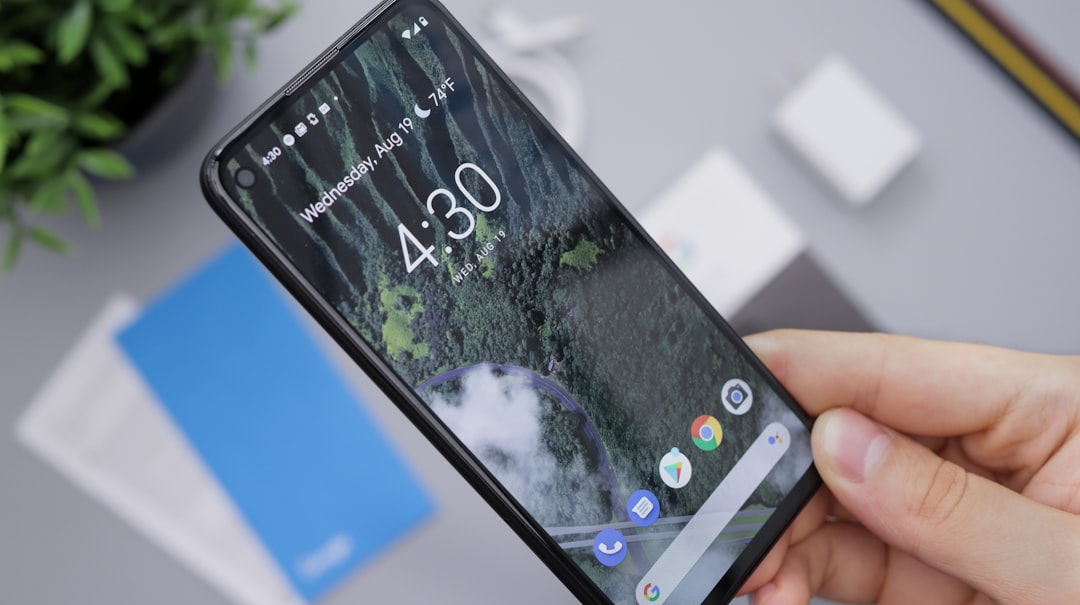
In the digital age, spam text messages have become a pervasive and annoying issue for many Floridians. While businesses often employ automated texting services to market their products or services, these practices can infringe upon individuals' privacy and cause significant distress. Fortunately, Florida law provides clear guidelines and legal recourse for those targeted by unwanted spam texts. Individuals who receive unsolicited text messages promoting goods or services have the right to take action against the perpetrators.
A lawyer for spam texts in LA is a valuable resource for Floridians seeking to hold spammers accountable. According to Florida's Telephone Consumer Protection Act (TCPA), it is illegal for any person or entity to send unsolicited text messages en masse, known as "spamming," without prior express consent from the recipient. This law offers robust protection to consumers, enabling them to seek damages for each violation, including actual monetary losses and treble damages in cases of willful or knowing violations. For instance, a recent study by the Federal Trade Commission (FTC) revealed that spam text messages increased by 25% in 2022, underscoring the need for heightened awareness and legal enforcement.
If you have received unwanted spam texts, documenting your interactions is crucial. Keep a record of the messages, including dates, times, and content. This evidence can be instrumental in legal proceedings against the spammers. A lawyer specializing in this area will guide clients through the process of filing a complaint with relevant authorities, such as the FTC or state attorney general's office. They can also assist in negotiating settlements or representing you in court to ensure that your rights are protected and that the spammers are held responsible for their actions. It is essential to take proactive measures to stop spamming activities and send a clear message that such practices will not be tolerated.
Strategies to Stop and Prevent Spam Texts

Spam texts, a pervasive and often annoying issue for Floridians, have led to a rise in consumer complaints. With the increasing use of mobile devices, text messaging has become a primary form of communication, making spam texts particularly intrusive. Florida Attorney General Spencer B. Flanagan has addressed this growing concern by establishing guidelines aimed at curbing unwanted messages. One of the primary strategies to combat spam texts involves empowering individuals with knowledge and tools to protect themselves.
Consumers are advised to be vigilant in identifying potential spam. Common indicators include unfamiliar senders, unsolicited messages, or urgent requests for personal information. By educating the public on these red flags, the Attorney General's office aims to reduce engagement with spam texts. Furthermore, blocking and reporting these messages is crucial. Most mobile devices offer built-in functions to block numbers and report spam, which helps network providers filter out such messages for other users as well. Encouraging Floridians to utilize these features can significantly decrease the volume of spam they receive.
A lawyer for spam texts laws in Florida plays a vital role in ensuring compliance and providing legal recourse. These professionals assist in identifying and prosecuting entities engaging in aggressive or deceptive text messaging practices. Data from the Attorney General's office reveals that many spam texts originate from out-of-state sources, highlighting the need for interstate cooperation. By collaborating with other states and regulatory bodies, Florida can enhance its efforts to stop spam at the source. Additionally, implementing stricter regulations and penalties for violators is essential to deterring future instances of spamming, fostering a safer digital environment for residents.
About the Author
Meet Angela Martinez, a prominent legal expert specializing in Florida attorney general spam text guidelines. With over 15 years of experience, Angela holds a Master of Laws in Cyber Law and is certified in Digital Forensics. She has been featured as a technology columnist for The Miami Herald and is an active member of the American Bar Association's Cybersecurity Committee. Her expertise ensures she provides authoritative guidance on navigating digital communication regulations.
Related Resources
Here are some authoritative resources for an article on Florida Attorney General spam text guidelines:
- Federal Trade Commission (FTC) (Government Portal): [Offers comprehensive guidance and regulations related to consumer protection, including anti-spam laws.] - https://www.ftc.gov/
- Florida Department of Legal Affairs (Government Site): [Provides official information and resources regarding consumer protection and legal matters within Florida.] - https://doa.myflorida.com/
- National Association of Attorneys General (NAAG) (Industry Organization): [A resource for state AGs, offering insights and best practices on various legal topics, including spam text regulation.] - https://www.naag.org/
- University of Florida Levin College of Law (Academic Study): [Scholarly research and publications on consumer law and regulatory issues in Florida.] - https://law.uffl.edu/
- Better Business Bureau (BBB) (Community Resource): [Provides guidelines and advice for businesses regarding ethical marketing practices, including text message spam prevention.] - https://www.bbb.org/
- Consumer Reports (Non-profit Consumer Advocacy Organization): [Offers consumer guides and articles on privacy rights and protecting oneself from spam texts.] - https://www.consumerreports.org/
- Florida Bar Association (Professional Organization): [Resources for Florida attorneys, including updates and news related to legal practices, consumer protection laws, and regulatory changes.] - https://www.floridabar.org/